
Trust, risk and organic food: Evidence from the UK and Japan
Trust in government and willingness to take risks help explain attitudes towards organic food in the UK and Japan.
Organic Agriculture
TrustTracker / Research themes
Organic labels, seaweed and recycled nutrients all ask consumers to place trust in something. We explore how institutions, familiarity and willingness to take risks connect with sustainable food choices.
Trust in government and willingness to take risks are associated with willingness to pay more for organic food.
Our seaweed research compares a familiar food in Japan with one that remains much less common in England.
Our fertiliser research asks how people view food grown using nutrients recovered from human waste.
The descriptive starting point: stated willingness to pay more for organic food. The paper’s separate regression models examine how this relates to trust in government, trust in other people and willingness to take risks.
England: April–May 2024, sample 1,276; Japan: April 2024, sample 1,532. Percentages are among respondents who consume each food. Stated willingness to pay, not observed purchases. The paper labels the England sample “UK”.
Source: Pickering, Hansen & Sunahara (2026), Organic Agriculture, Table 1 →
| Food | England (%) | Japan (%) |
|---|---|---|
| Dairy | 45.22 | 39.14 |
| Beef | 41.54 | 36.64 |
| Chicken | 46.16 | 38.19 |
| Eggs | 48.59 | 40.94 |
| Vegetables | 46.55 | 43.43 |
Sustainable food systems depend on more than the availability of a product or technology. These studies ask how people judge credibility, familiarity and risk when deciding what they are willing to eat.
Trust in government and willingness to take risks help explain attitudes towards organic food in the UK and Japan.
Organic Agriculture
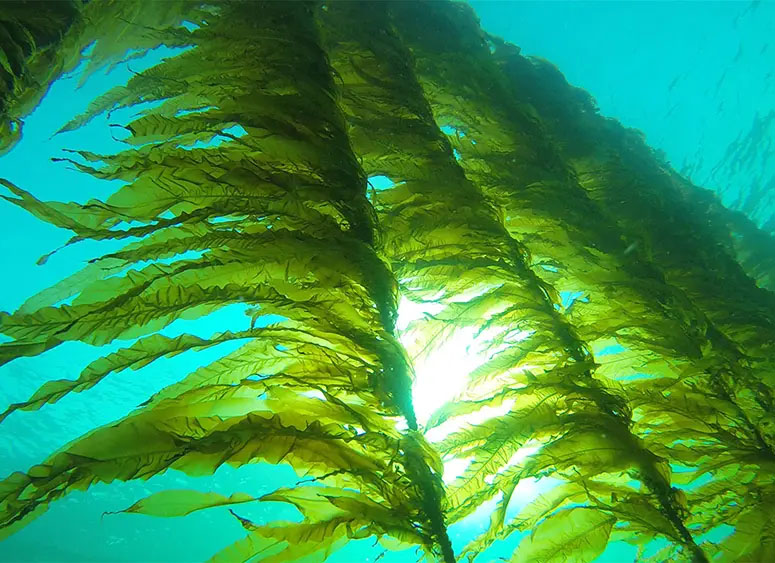
Seaweed offers nutritional and environmental benefits. We compare the barriers and motivations behind eating it in Japan and the UK.
Food Quality and Preference

Could human excretion-based fertiliser become an acceptable alternative? Attitudes differ between England and Japan, and by how it would be used.
Waste Management Bulletin (2)
How can credible certification, familiarity and communication make sustainable choices more acceptable? These are questions raised by our published food studies. Explore the data to take the work further.
Yosuke Sunahara discusses how institutional trust and certification shape organic food preferences in Japan and the UK.
Danish coverage explores how trust in authorities and willingness to take risks influence organic food choices.
Our article explains why trust matters when consumers decide whether to pay more for organic food.
Our article explores the cultural, social and psychological barriers to eating seaweed in Japan and England.
We explore public acceptance of human excretion-based fertiliser in England and Japan.
Read about the survey design and research team, or access the data and replication code.
About the research → Open data & code →The original TrustTracker research programme was supported by the Japan Society for the Promotion of Science (JSPS, grant reference JPJSJRP 20211704) and the UK Research and Innovation's Economic and Social Research Council (UKRI-ESRC, grant reference ES/W011913/1).
