TrustTracker / Publications
Health & wellbeing · England
Trust in Doctors and Scientists: The Roles of Faith, Politics, Education and Gender
Public Understanding of Science · 2025
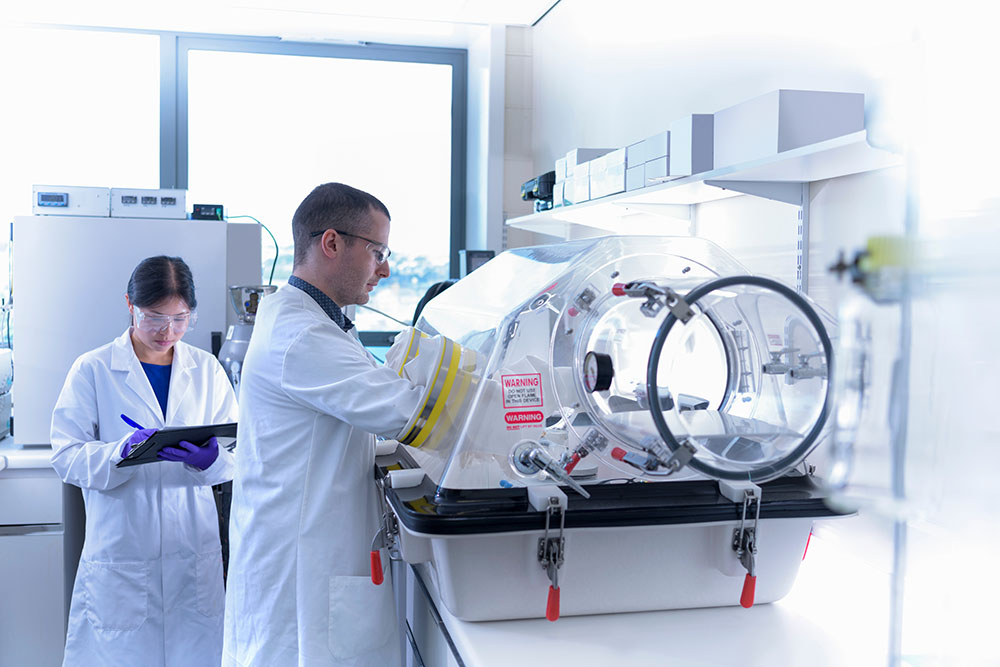
Science underpins responses to global challenges, from developing vaccines to tackling climate change. But trust in science isn’t evenly shared across society. Using survey data from more than 11,000 people in England, we compared attitudes towards medical doctors and university scientists. Our findings show that education fosters greater trust, while right-leaning ideology predicts lower trust in both groups. Religion also matters: some faith communities express lower trust, though the strongest effect came from respondents who selected “Prefer not to say” on religion: a group consistently less trusting of experts. Women report lower trust in doctors, though not in scientists, while ethnic minorities also show reduced trust overall. These patterns reveal that trust in science is not one-size-fits-all: who the messenger is, and who the audience are, both shape how expertise is received.
Media & impact
Cite this research
Pickering, S. D., & Hansen, M. E., & Dorussen, H., & Reifler, J., & Scotto, T. J., & Sunahara, Y., & Yen, D. (2025). Trust in Scientists and Doctors: The Roles of Faith, Politics, Education and Gender. Public Understanding of Science .
Related UN Sustainable Development Goals